
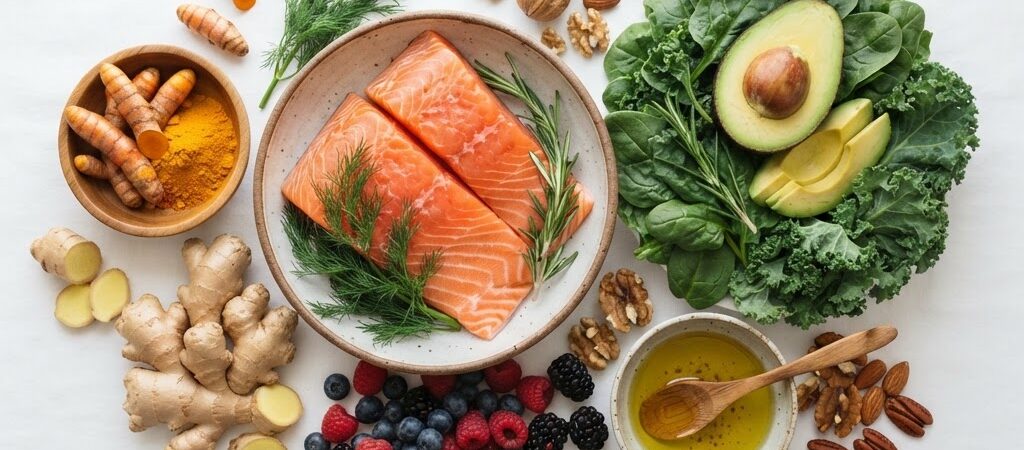
Inflammation is your body’s natural response to injury and infection — it’s how you heal. But when inflammation becomes chronic, smoldering quietly for months or years, it contributes to a wide range of health problems including heart disease, diabetes, arthritis, and even depression. The good news? What you eat can significantly influence inflammation levels in your body.
💬 Talk to a Doctor About Weight Loss Medication
Get access to GLP-1 medications like Wegovy through Sesame Care’s telehealth platform. Licensed doctors, online consultations, and prescriptions delivered to your door.
Get Started with Sesame Care →
Use code MAX25 for 25% off or MAX20 for $20 off your first month
💉 GLP-1 Weight Loss Medication — $225 Consultation
Qualify for GLP-1 weight loss injections through Gala’s telehealth program. Simple online assessment, licensed medical providers, medication shipped to your door.
🏃♀️ Reverse Health: Sustainable Weight Loss for Women
A science-backed weight loss program designed for women. Personalized meal plans, community support, and sustainable lifestyle changes — no restrictive diets.
Understanding Inflammation: The Good and the Bad
There are two types of inflammation. Acute inflammation is short-term and helpful — it’s the redness and swelling you see when you cut your finger, and it’s your immune system rushing to heal the wound. Chronic inflammation is different. It’s low-grade, persistent, and often invisible. It develops when your immune system stays activated even when there’s no injury to heal.
Chronic inflammation can be triggered by poor diet, stress, lack of sleep, environmental toxins, and sedentary lifestyle. Over time, it damages healthy tissues and organs, setting the stage for chronic disease.
Foods That Fight Inflammation
Berries
Blueberries, strawberries, raspberries, and blackberries are rich in antioxidants called anthocyanins, which give them their vibrant colors. Studies show regular berry consumption reduces inflammatory markers and may protect against heart disease and cognitive decline.
Fatty Fish
Salmon, sardines, mackerel, and trout are excellent sources of omega-3 fatty acids — specifically EPA and DHA, which are among the most powerful anti-inflammatory compounds in food. Your body converts these into resolvins and protectins, molecules that actively resolve inflammation.
Leafy Greens
Spinach, kale, Swiss chard, and collard greens are packed with antioxidants, vitamins, and minerals. They’re particularly rich in vitamin K, which has been shown to reduce inflammatory markers in the blood.
Olive Oil
Extra virgin olive oil contains oleocanthal, a compound that has similar anti-inflammatory properties to ibuprofen. It’s a staple of the Mediterranean diet, which is consistently associated with lower rates of chronic disease.
Nuts
Almonds, walnuts, and pistachios are rich in healthy fats, fiber, and antioxidants. Walnuts in particular contain alpha-linolenic acid (ALA), a plant-based omega-3 that helps reduce inflammation.
Turmeric
The active compound in turmeric, curcumin, is one of the most studied anti-inflammatory substances. It works by blocking inflammatory pathways at the molecular level. Pair it with black pepper to significantly increase absorption.
Ginger
Ginger contains gingerol and shogaol, compounds with strong anti-inflammatory and antioxidant properties. Studies suggest ginger may be particularly helpful for reducing inflammation related to osteoarthritis.
Tomatoes
Tomatoes are rich in lycopene, an antioxidant that becomes more bioavailable when tomatoes are cooked. Lycopene has been shown to reduce inflammatory markers, particularly in people who are overweight.
Green Tea
Green tea contains EGCG (epigallocatechin gallate), a catechin that inhibits inflammation by reducing pro-inflammatory cytokine production. Regular green tea consumption is associated with reduced risk of heart disease and certain cancers.
Avocados
Avocados are loaded with healthy monounsaturated fats, fiber, and compounds like lutein and zeaxanthin. They also contain magnesium, which many people don’t get enough of and which plays a role in regulating inflammation.
Foods That Promote Inflammation
Just as some foods fight inflammation, others fuel it. Limiting these can be just as important:
- Refined carbohydrates: White bread, pastries, and white rice spike blood sugar and trigger inflammatory responses.
- Fried foods: High-temperature frying creates advanced glycation end products (AGEs), which promote inflammation.
- Sugar-sweetened beverages: Sodas and sweetened drinks are strongly linked to increased inflammatory markers.
- Processed meats: Sausages, hot dogs, and deli meats contain compounds that promote inflammation and are linked to increased disease risk.
- Excessive alcohol: While moderate alcohol consumption may have some benefits, heavy drinking increases inflammation and damages the liver.
- Trans fats: Though largely banned in many countries, some processed foods still contain partially hydrogenated oils. Check labels.
The Anti-Inflammatory Eating Pattern
Rather than focusing on individual foods, think about your overall eating pattern. The Mediterranean diet — rich in vegetables, fruits, whole grains, fish, olive oil, and nuts, with limited red meat and processed foods — is the most studied anti-inflammatory diet and has strong evidence behind it for reducing chronic disease risk.
Key principles:
- Fill half your plate with colorful vegetables at every meal
- Choose whole grains over refined ones
- Include fish 2–3 times per week
- Use olive oil as your primary cooking fat
- Snack on nuts and fruit instead of processed snacks
- Drink green tea or water instead of sugary beverages
- Treat red meat and processed foods as occasional, not daily
Beyond Diet: Other Ways to Reduce Inflammation
While diet is powerful, it’s not the whole picture. Regular exercise, adequate sleep, stress management, and maintaining a healthy weight all play crucial roles in keeping inflammation in check. The combination of these lifestyle factors is far more effective than any single change alone.
The Bottom Line
Chronic inflammation is at the root of many modern diseases, but it’s largely influenced by lifestyle choices — especially diet. By eating more whole, plant-based foods and limiting processed options, you can significantly reduce inflammation and protect your long-term health. You don’t need a restrictive diet or expensive supplements. Consistent, simple food choices make the biggest difference over time.
This article is for informational purposes only and is not intended as medical advice. If you have a chronic health condition, consult your healthcare provider before making significant dietary changes.
🛒 Ready to Try This Supplement?
Use code VITALEDGE10 for 10% off at checkout
As an Amazon Associate, VitalEdge earns from qualifying purchases.
💊 Premium Vitamins by JSHealth
Clinically-backed formulations for hair, skin, energy & overall wellness. Trusted by thousands worldwide.
🧊 Heal & Soothe — Natural Pain Relief
Powerful proteolytic enzyme formula for joint pain, inflammation & muscle recovery. Doctor-formulated, clinically-backed ingredients.
🌿 Berberine GLP-1 Patches — Natural Metabolic Support
Supports healthy blood sugar, metabolism & weight management with transdermal berberine delivery. Easy, convenient & clinically-backed ingredients.

Want to earn money promoting health products? Join MaxBounty — the affiliate network paying up to $225 per lead.
Need Relationship Advice? Talk to a Certified Expert
Get personalized relationship guidance from licensed counselors and therapists. Available 24/7 — get answers in minutes.
Need Financial Advice? Talk to a Verified Finance Expert
Get answers from certified financial advisors, CPAs, and tax professionals. Available 24/7 — affordable expert guidance when you need it.
Car Trouble? Talk to a Verified Mechanic Online
Get expert answers from certified auto mechanics without leaving your driveway. Available 24/7 — diagnose issues, get repair estimates, and save on garage fees.
Need a Jewelry Appraisal? Talk to a Certified Expert
Get professional jewelry appraisals from certified gemologists online. Determine the value of your rings, watches, and gemstones — available 24/7.
Need Legal Advice? Talk to a Verified Lawyer Online
Get answers from licensed attorneys specializing in family, criminal, immigration, and civil law. Available 24/7 — affordable legal guidance when you need it.
Men’s Sexual Health — Discreet Online Treatment
Get prescription ED treatment from licensed doctors online. No awkward visits, no waiting rooms — delivered to your door discreetly.
Boost Your Energy with NAD+ Therapy
Support cellular health, longevity, and vitality with prescription NAD+ treatment from licensed doctors — delivered discreetly to your door.
The World’s First DNA Multi-Vitamin
Telo X Nano is formulated based on your DNA to support telomere health, healthy aging, and optimal wellness. Personalized nutrition, backed by science.
Medical Weight Loss with NewSelf — Doctor-Led, Online
Get a personalized medical weight loss plan from licensed doctors. Prescription options available — no in-person visits required. Start your transformation today.
Wallester Business — Smart Corporate Cards for Modern Companies
Issue virtual and physical corporate cards instantly, control spending in real-time, and streamline expense management. Trusted by businesses across the UK, Belgium, and Switzerland.
Ultra Accel Q — Advanced Natural Supplement for Energy & Vitality
Support your cellular energy, heart health, and overall vitality with Ultra Accel Q’s science-backed formula. Natural ingredients, trusted by thousands.
Win a 1,000 kr Amazon Gift Card
Enter for your chance to win a 1,000 kr Amazon gift card. Quick sign-up, open to residents in Sweden. Don’t miss out!
Oojo Travel — Book International Flights at the Best Prices
Compare and book international flight deals with Oojo Travel. Save on routes from Germany to destinations worldwide. Simple booking, great fares.
Kahlon — Premium Men’s Tailored Suits, Made to Measure
Elevate your wardrobe with Kahlon’s custom-tailored suits. Premium fabrics, expert craftsmanship, and a perfect fit — delivered to your door anywhere in the US.
Skin 360 — Advanced Skincare for Radiant, Healthy Skin
Transform your skin with Skin 360’s science-backed formulas. Clinically proven ingredients for hydration, anti-aging, and a glowing complexion. Available across Latin America and more.
Alzheimer’s Protocol — Brain Health Supplement Backed by Science
Support cognitive function, memory, and long-term brain health with Alzheimer’s Protocol’s targeted nutritional formula. Clinically researched ingredients for peace of mind.
Joint 360 — Advanced Joint Support for Mobility & Comfort
Reduce joint discomfort and improve flexibility with Joint 360’s clinically-backed formula. Supports cartilage health, reduces inflammation, and helps you stay active. Available across Latin America and more.
Ask a Veterinarian — Online Pet Health Consultations
Get expert veterinary advice from the comfort of your home. Connect with licensed veterinarians for pet health consultations, dietary guidance, and behavioral support. Available in the US, Canada, Australia, and the UK.
Keto Fat Burn — Support Your Keto Journey with Targeted Fat Burning
Accelerate your results with Keto Fat Burn’s science-backed formula designed to boost metabolism, suppress appetite, and support ketosis. Achieve your weight loss goals faster. Available across Latin America and more.
🦷 Ask a Dental Expert Online — JustAnswer
Got a tooth or gum question? Get answers from licensed dentists in minutes — available 24/7, no appointment needed.
💪 Muscle Charge — Military-Grade Fitness App
Military-style workout programs built for real results. Train like a soldier — bodyweight exercises, progressive routines, no gym required.
🌿 Berberine GLP-1 Patches — Natural Metabolic Support
Supports healthy blood sugar, metabolism & weight management with transdermal berberine delivery. Easy, convenient & clinically-backed ingredients.
🌿 Berberine GLP-1 Patches — Natural Metabolic Support
Supports healthy blood sugar, metabolism & weight management with transdermal berberine delivery. Easy, convenient & clinically-backed ingredients.


🌿 DefyIt — Whole Leaf Kratom Supplements
Premium whole-leaf kratom for natural energy, focus, and wellness. Sustainably sourced, lab-tested, and available in multiple strains. RevShare program.
🦠 Postbiotic — Gut Health & Metabolic Support
Advanced postbiotic formula for gut microbiome balance, digestive wellness, and metabolic support. Backed by science, designed for daily gut health.
Whoosh — Weight Management Made Simple
Whoosh Wellness offers science-backed weight management solutions tailored to your body. Sustainable results without crash diets. CPS program for US customers.
Need Legal Advice in Spanish? Talk to a Lawyer Now
Get expert legal guidance from licensed attorneys who speak Spanish. Available 24/7 for immigration, family law, criminal defense, and more. Ask your question and get answers fast.
Need Expert Answers in Spanish? Ask Now
Get answers from verified experts in Spanish — doctors, lawyers, mechanics, tech support and more. Available 24/7. Ask your question and get a fast response.
Wallester Business Cards — Apply in 2 Easy Steps
Get professional business expense cards for your company with Wallester. Quick 2-step application, virtual and physical cards, spend control, and real-time tracking. Available in US, UK, DE, AT and more.
Take charge of your health. Free online consultation for doctor-prescribed treatments. Learn more →
Need expert advice right now? Connect with verified professionals in minutes — 24/7. Learn more →