Water makes up about 60% of your body weight, and every single system — from your brain to your muscles to your skin — depends on it to function properly. Yet many people walk around mildly dehydrated without realizing it, attributing their fatigue, headaches, and brain fog to stress or lack of sleep when the real culprit might be simpler.
Why Hydration Matters
Brain Function
Even mild dehydration — just 1–2% of your body’s water content — can impair cognitive performance, reduce concentration, and affect your mood. Studies show dehydration also increases the perception of task difficulty and reduces alertness.
Digestion and Metabolism
Water is essential for digestion. It helps break down food, absorb nutrients, and move waste through your digestive tract. Dehydration is a common cause of constipation.
Skin Health
Your skin is your largest organ, and it needs water to stay elastic and healthy. While drinking water won’t magically erase wrinkles, chronic dehydration can make your skin look dry, tight, and more prone to irritation.
Joint Health
The cartilage in your joints is about 80% water. Staying hydrated helps maintain the synovial fluid that cushions your joints and reduces friction during movement.
Temperature Regulation
Your body regulates temperature through sweating. When you’re dehydrated, your body can’t cool itself as effectively, increasing the risk of heat exhaustion during exercise or hot weather.
Kidney Function
Your kidneys filter waste from your blood and excrete it through urine. Adequate water intake helps prevent kidney stones and urinary tract infections. Pale yellow urine is generally a good sign you’re well hydrated.
How Much Water Do You Actually Need?
The old “8 glasses a day” rule is a reasonable starting point, but your actual needs depend on several factors:
- Body weight: Larger people need more water. A common guideline is 30–35ml per kilogram of body weight.
- Activity level: Exercise increases water loss through sweat. Add 500–1000ml for every hour of moderate to intense exercise.
- Climate: Hot, humid weather increases water needs. So does high altitude.
- Pregnancy and breastfeeding: Both increase hydration needs.
- Diet: High-protein and high-sodium diets require more water for processing.
For most adults, 2–3 litres of total daily water intake (from all sources, including food) is a good target. Foods like watermelon, cucumber, soups, and oranges contribute significantly to your daily intake.
Signs You’re Not Drinking Enough
- Dark yellow urine (aim for pale yellow or nearly clear)
- Headaches or dizziness
- Fatigue or low energy
- Dry mouth or dry skin
- Muscle cramps
- Reduced urination frequency
- Difficulty concentrating
Practical Tips for Staying Hydrated
Start Your Day with Water
You lose water overnight through breathing and sweating. Drinking a glass of water first thing in the morning helps replenish what you’ve lost.
Carry a Reusable Bottle
Having water within arm’s reach makes it much more likely you’ll drink enough throughout the day. Choose a size that feels manageable — refilling a 500ml bottle 4 times is less daunting than staring at a 2-litre jug.
Flavor It Naturally
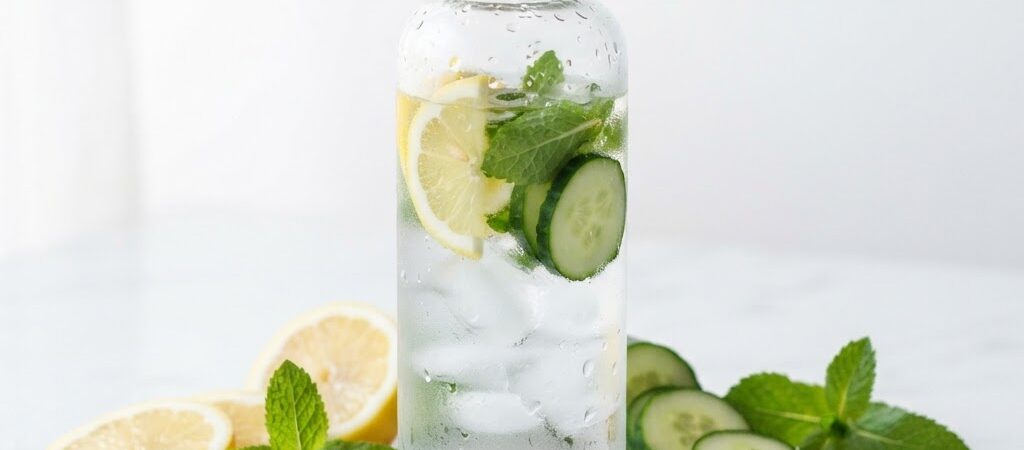
If plain water feels boring, add slices of lemon, cucumber, mint, or berries. These add flavor without added sugar and can make drinking water more enjoyable.
Set Reminders
If you consistently forget to drink water, set reminders on your phone or use a hydration tracking app until drinking becomes a habit.
Eat Your Water
Many fruits and vegetables have high water content. Watermelon, strawberries, cucumber, lettuce, and celery are all more than 90% water and contribute to your daily hydration.
Drink Before You’re Thirsty
Thirst is actually a late indicator of dehydration. By the time you feel thirsty, you’re already slightly dehydrated. Try to drink consistently throughout the day rather than catching up all at once.
Can You Drink Too Much Water?
Yes, though it’s rare. Overhydration can lead to a condition called hyponatremia, where sodium levels in your blood become dangerously low. This is most common among endurance athletes who drink large amounts of water without replacing electrolytes. For most people, the risk is far greater from drinking too little rather than too much.
The Bottom Line
Hydration is one of the simplest, most impactful things you can do for your health — and it’s often the most overlooked. You don’t need expensive supplements or complicated routines. A reusable water bottle, a few daily habits, and paying attention to your body’s signals are all it takes to stay properly hydrated.
This article is for informational purposes only and is not intended as medical advice. If you have specific health conditions or take medications that affect fluid balance, consult your doctor about your personal hydration needs.
💊 Premium Vitamins by JSHealth
Clinically-backed formulations for hair, skin, energy & overall wellness. Trusted by thousands worldwide.
🧊 Heal & Soothe — Natural Pain Relief
Powerful proteolytic enzyme formula for joint pain, inflammation & muscle recovery. Doctor-formulated, clinically-backed ingredients.
🦷 Ask a Dental Expert Online — JustAnswer
Got a tooth or gum question? Get answers from licensed dentists in minutes — available 24/7, no appointment needed.
🌿 Berberine GLP-1 Patches — Natural Metabolic Support
Supports healthy blood sugar, metabolism & weight management with transdermal berberine delivery. Easy, convenient & clinically-backed ingredients.
💊 HintMeds Tadalafil Oral Spray — Fast-Acting ED Support
Discreet, fast-acting tadalafil in a convenient oral spray. No pills, no waiting. Clinically-backed formula for men’s sexual health.

Want to earn money promoting health products? Join MaxBounty — the affiliate network paying up to $225 per lead.
Need Relationship Advice? Talk to a Certified Expert
Get personalized relationship guidance from licensed counselors and therapists. Available 24/7 — get answers in minutes.
Need Financial Advice? Talk to a Verified Finance Expert
Get answers from certified financial advisors, CPAs, and tax professionals. Available 24/7 — affordable expert guidance when you need it.
Car Trouble? Talk to a Verified Mechanic Online
Get expert answers from certified auto mechanics without leaving your driveway. Available 24/7 — diagnose issues, get repair estimates, and save on garage fees.
Need a Jewelry Appraisal? Talk to a Certified Expert
Get professional jewelry appraisals from certified gemologists online. Determine the value of your rings, watches, and gemstones — available 24/7.
Need Legal Advice? Talk to a Verified Lawyer Online
Get answers from licensed attorneys specializing in family, criminal, immigration, and civil law. Available 24/7 — affordable legal guidance when you need it.
Men’s Sexual Health — Discreet Online Treatment
Get prescription ED treatment from licensed doctors online. No awkward visits, no waiting rooms — delivered to your door discreetly.
Boost Your Energy with NAD+ Therapy
Support cellular health, longevity, and vitality with prescription NAD+ treatment from licensed doctors — delivered discreetly to your door.
The World’s First DNA Multi-Vitamin
Telo X Nano is formulated based on your DNA to support telomere health, healthy aging, and optimal wellness. Personalized nutrition, backed by science.
Medical Weight Loss with NewSelf — Doctor-Led, Online
Get a personalized medical weight loss plan from licensed doctors. Prescription options available — no in-person visits required. Start your transformation today.
Wallester Business — Smart Corporate Cards for Modern Companies
Issue virtual and physical corporate cards instantly, control spending in real-time, and streamline expense management. Trusted by businesses across the UK, Belgium, and Switzerland.
Ultra Accel Q — Advanced Natural Supplement for Energy & Vitality
Support your cellular energy, heart health, and overall vitality with Ultra Accel Q’s science-backed formula. Natural ingredients, trusted by thousands.
Win a 1,000 kr Amazon Gift Card
Enter for your chance to win a 1,000 kr Amazon gift card. Quick sign-up, open to residents in Sweden. Don’t miss out!
Oojo Travel — Book International Flights at the Best Prices
Compare and book international flight deals with Oojo Travel. Save on routes from Germany to destinations worldwide. Simple booking, great fares.
Kahlon — Premium Men’s Tailored Suits, Made to Measure
Elevate your wardrobe with Kahlon’s custom-tailored suits. Premium fabrics, expert craftsmanship, and a perfect fit — delivered to your door anywhere in the US.
Skin 360 — Advanced Skincare for Radiant, Healthy Skin
Transform your skin with Skin 360’s science-backed formulas. Clinically proven ingredients for hydration, anti-aging, and a glowing complexion. Available across Latin America and more.
Alzheimer’s Protocol — Brain Health Supplement Backed by Science
Support cognitive function, memory, and long-term brain health with Alzheimer’s Protocol’s targeted nutritional formula. Clinically researched ingredients for peace of mind.
Joint 360 — Advanced Joint Support for Mobility & Comfort
Reduce joint discomfort and improve flexibility with Joint 360’s clinically-backed formula. Supports cartilage health, reduces inflammation, and helps you stay active. Available across Latin America and more.
Ask a Veterinarian — Online Pet Health Consultations
Get expert veterinary advice from the comfort of your home. Connect with licensed veterinarians for pet health consultations, dietary guidance, and behavioral support. Available in the US, Canada, Australia, and the UK.
Keto Fat Burn — Support Your Keto Journey with Targeted Fat Burning
Accelerate your results with Keto Fat Burn’s science-backed formula designed to boost metabolism, suppress appetite, and support ketosis. Achieve your weight loss goals faster. Available across Latin America and more.
💬 Talk to a Doctor About Weight Loss Medication
Get access to GLP-1 medications like Wegovy through Sesame Care’s telehealth platform. Licensed doctors, online consultations, and prescriptions delivered to your door.
Get Started with Sesame Care →
Use code MAX25 for 25% off or MAX20 for $20 off your first month
💉 GLP-1 Weight Loss Medication — $225 Consultation
Qualify for GLP-1 weight loss injections through Gala’s telehealth program. Simple online assessment, licensed medical providers, medication shipped to your door.
🏃♀️ Reverse Health: Sustainable Weight Loss for Women
A science-backed weight loss program designed for women. Personalized meal plans, community support, and sustainable lifestyle changes — no restrictive diets.
💪 Muscle Charge — Military-Grade Fitness App
Military-style workout programs built for real results. Train like a soldier — bodyweight exercises, progressive routines, no gym required.
🌿 Berberine GLP-1 Patches — Natural Metabolic Support
Supports healthy blood sugar, metabolism & weight management with transdermal berberine delivery. Easy, convenient & clinically-backed ingredients.

🌿 DefyIt — Whole Leaf Kratom Supplements
Premium whole-leaf kratom for natural energy, focus, and wellness. Sustainably sourced, lab-tested, and available in multiple strains. RevShare program.
🦠 Postbiotic — Gut Health & Metabolic Support
Advanced postbiotic formula for gut microbiome balance, digestive wellness, and metabolic support. Backed by science, designed for daily gut health.
Whoosh — Weight Management Made Simple
Whoosh Wellness offers science-backed weight management solutions tailored to your body. Sustainable results without crash diets. CPS program for US customers.
Need Legal Advice in Spanish? Talk to a Lawyer Now
Get expert legal guidance from licensed attorneys who speak Spanish. Available 24/7 for immigration, family law, criminal defense, and more. Ask your question and get answers fast.
Need Expert Answers in Spanish? Ask Now
Get answers from verified experts in Spanish — doctors, lawyers, mechanics, tech support and more. Available 24/7. Ask your question and get a fast response.
Wallester Business Cards — Apply in 2 Easy Steps
Get professional business expense cards for your company with Wallester. Quick 2-step application, virtual and physical cards, spend control, and real-time tracking. Available in US, UK, DE, AT and more.
Take charge of your health. Free online consultation for doctor-prescribed treatments. Learn more →
Need expert advice right now? Connect with verified professionals in minutes — 24/7. Learn more →